The Best Wood for Pizza Ovens (And How to Choose It)
A wood-fired pizza oven asks more of its fuel than a fireplace does. It needs to reach a high temperature fast, hold that heat steadily, and burn clean enough that it doesn't taint the food sitting a metre away from the flame. Not every piece of firewood is built for that job.
Why pizza ovens need a different kind of wood
A fireplace or wood heater is judged on comfort, a steady, radiant heat over a few hours. A pizza oven is judged on performance, it needs to hit around 400–450°C at the dome and hold it through a full sitting of pizzas. That means a hot, fast-catching flame early on, followed by a strong bed of coals to keep the floor temperature up once the fire's died back. Dense Australian hardwood does both jobs well, provided it's split to the right size and properly seasoned.
Why Double Split is the better fit
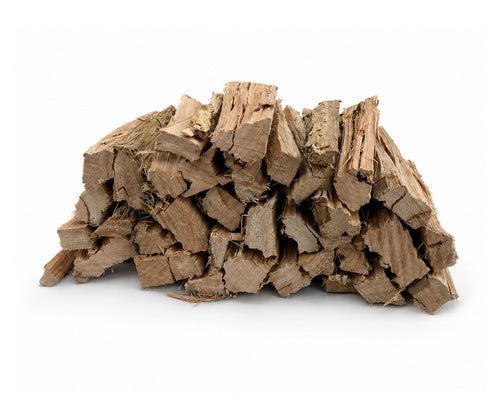
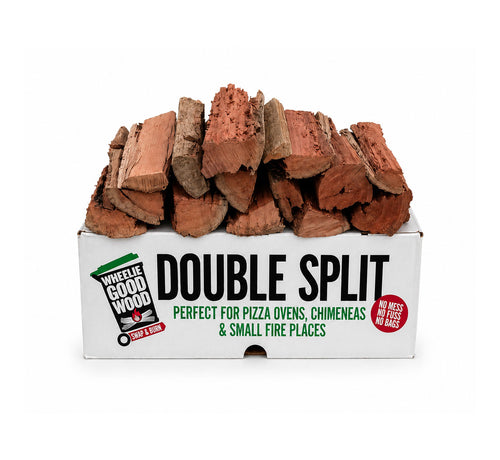
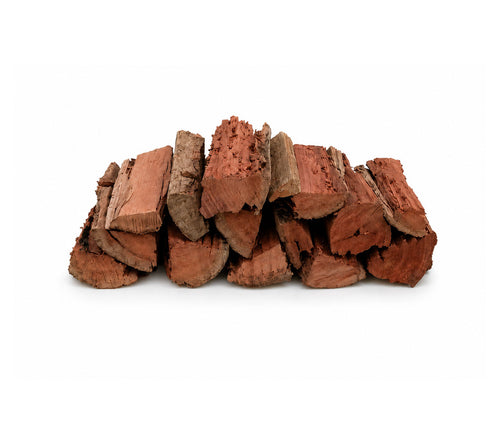
This is where split size actually matters more for pizza ovens than for any other appliance. Our Double Split, roughly the width of a wrist or a wine bottle, catches quickly and fits a pizza oven's smaller firebox far better than a larger Regular Split piece. It also lets you feed the fire in smaller increments, useful for holding a steady dome temperature through a long pizza session rather than overshooting it with one big log.
Ironbark vs Red Gum for pizza ovens
Both of our hardwoods work in a pizza oven, but they suit slightly different sessions. Ironbark is denser and holds its coal bed for longer, useful for a long lunch service or back-to-back bakes. It's also the wood most associated with the smoky character people want from a proper wood-fired base. Red Gum lights a little more readily and gives a strong, steady heat, a solid default if you're not running the oven for hours at a stretch.
Getting the fire started
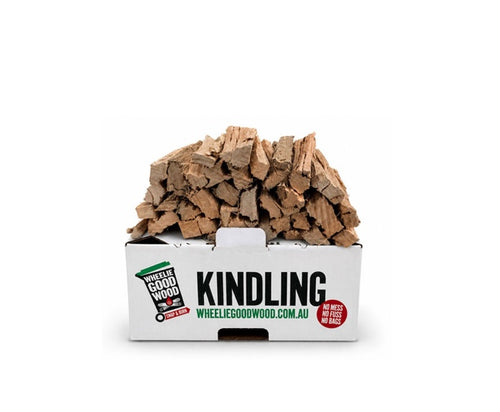
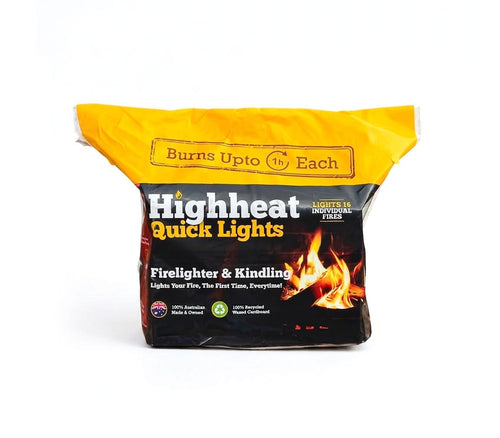
Whichever wood you choose, start with proper hardwood kindling rather than paper or softwood offcuts, which burn out too fast to get a dense hardwood piece going. Build the kindling up first, then introduce Double Split pieces once you've got a solid base flame, that's the fastest, cleanest way to get a pizza oven up to temperature.
How much wood you'll need
This depends heavily on how often the oven runs. A home oven used for the occasional weekend pizza night might get through a fraction of a bin per session, once it's up to temperature, it doesn't take much to maintain. A pizza restaurant or venue running the oven daily is a different equation entirely, that's wholesale territory, and it's exactly the kind of steady, predictable order our wholesale customers already run through a subscription rather than reordering each time they're low.
Ordering for your pizza oven
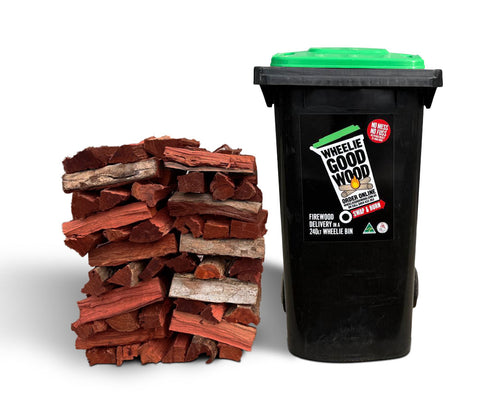
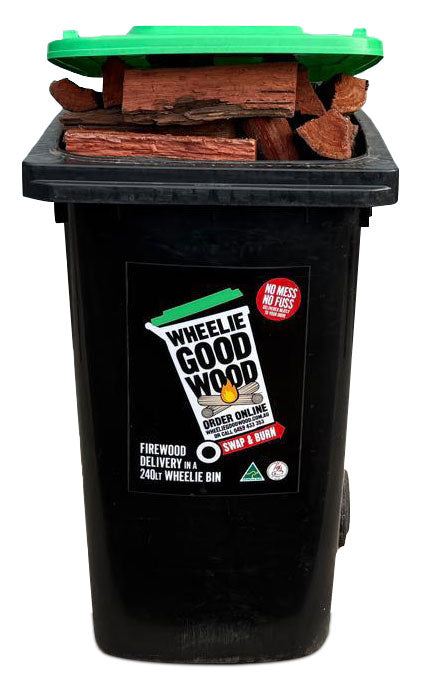
A single wheelie bin is a straightforward way to keep a home pizza oven stocked, order it once, or set up a subscription so you're never caught short before a weekend cook-up. For restaurants and venues, our wholesale firewood runs on the same reliable delivery model, just sized and scheduled for continuous use.
Common mistakes people make with pizza oven wood
A few things worth avoiding. Using wood straight from a fireplace supply without checking the split size, a piece cut for a large open fireplace is often too big for a pizza oven's firebox and won't catch quickly enough. Loading too much wood in at once, which smothers the flame rather than building heat; smaller, more frequent additions of Double Split hold a steadier temperature than one large log. And skipping the seasoning check altogether, green or damp wood in a pizza oven doesn't just underperform, it can noticeably affect the taste of the food with excess smoke and soot rather than a clean, smoky char.
It's also worth remembering that a pizza oven needs time to heat through the dome and floor, not just produce a visible flame. Get the fire established with kindling and Double Split hardwood early, and give the oven the time it needs to come up to temperature before the first pizza goes in, rushing this step is one of the more common reasons a home pizza night doesn't turn out the way a restaurant oven does.
FAQ: Firewood for Pizza Ovens
What's the best wood for a pizza oven?
Dense Australian hardwood split to a smaller size. Ironbark and Red Gum both work well; Ironbark holds heat longer for extended sessions, Red Gum lights a little more readily.
Should I use Regular Split or Double Split in a pizza oven?
Double Split. Its smaller size catches faster and fits a pizza oven's firebox better than the larger Regular Split, which is built more for fireplaces and larger heaters.
Can I use softwood or offcuts in a pizza oven?
It's not recommended. Softwood burns too fast and too cool to hold a proper pizza oven temperature, and can affect the flavour of the food. Seasoned hardwood is the standard for a reason.
How do I start a pizza oven fire?
Build a base with hardwood kindling, let it establish a solid flame, then introduce Double Split hardwood pieces once the kindling's burning well. Avoid dropping in large pieces before the fire is established.
Does the type of wood affect the taste of the pizza?
Yes, denser hardwoods like Ironbark are associated with a stronger smoky character, which is part of why they're a popular choice for wood-fired cooking specifically, not just heating.