Regular Split vs Double Split Firewood: Which One Fits Your Fireplace?
Firewood suppliers love technical language. We'd rather just show you the size, but it's worth knowing why size changes how a piece of wood actually behaves once it's burning.
Why split size changes the burn
A smaller piece of wood has more surface area relative to its volume, so it catches fire faster and burns through faster. A larger piece has less surface area relative to its volume, so it takes a little longer to get going but holds the fire for longer once it does. That's the whole logic behind offering two split sizes rather than one, it's not just about fitting the firebox, it's about how the wood performs once it's alight.
Regular Split
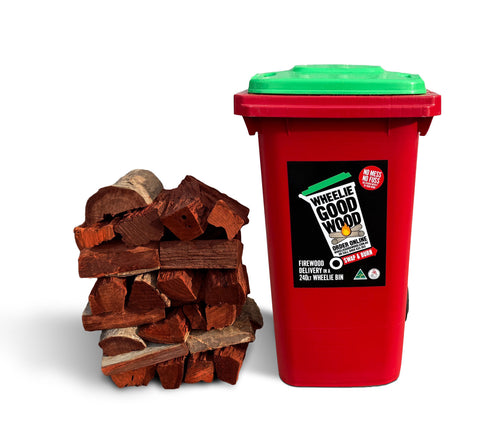
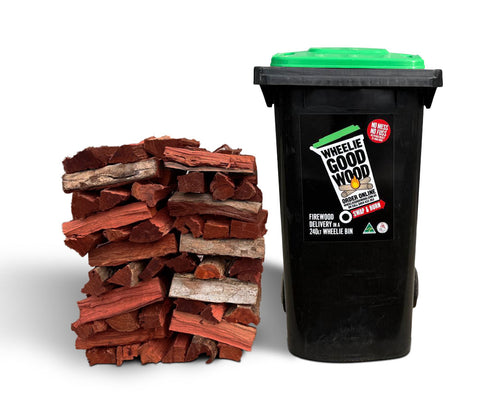
About the size of a loaf of bread, 30cm long. It's the bigger of our two cuts and suits regular fireplaces, most wood heaters, and slow combustion units that take a larger piece well. Because each piece is bigger, a Regular Split load holds a fire for longer between reloads, which suits a heater you're running most of the evening.
Double Split
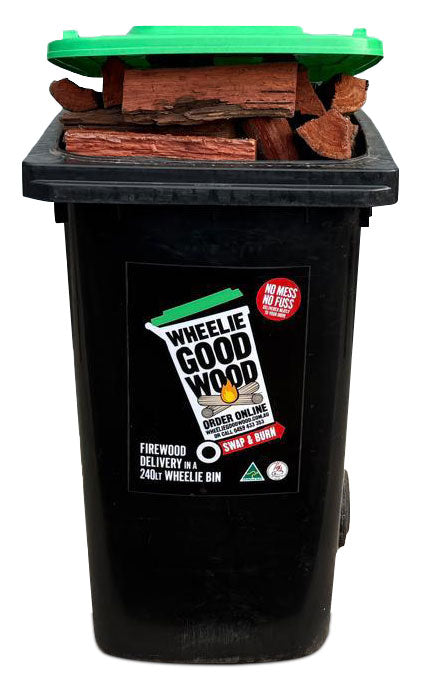
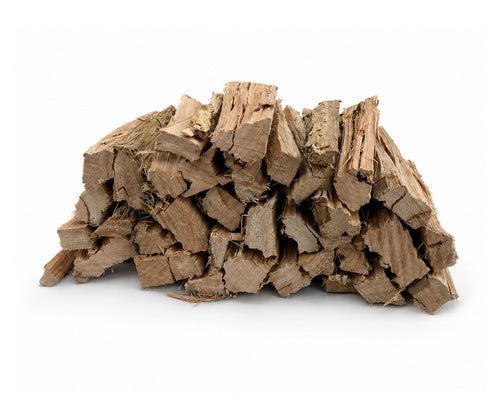
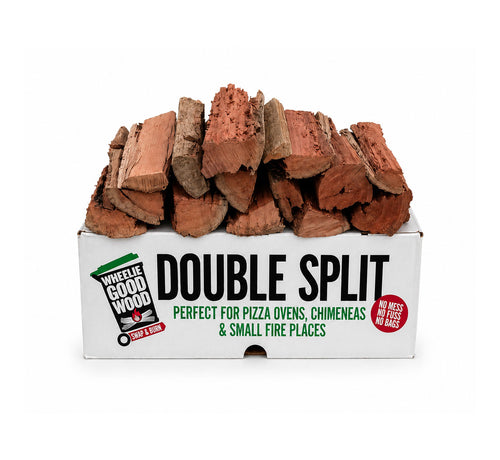
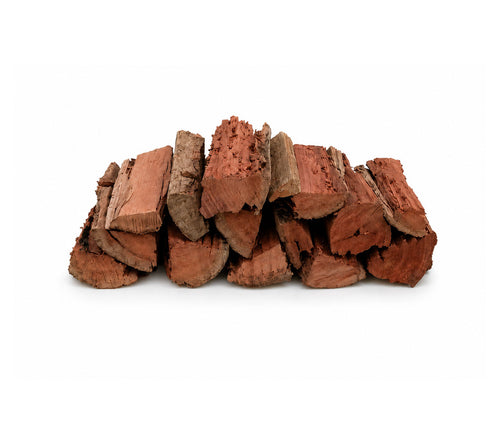
Smaller, closer to the width of your wrist or a wine bottle, also 30cm long. It's the better fit for compact heaters, chimineas, and pizza ovens where a smaller firebox needs a smaller piece to catch and burn evenly. The smaller surface area also means it lights faster, useful if you're starting a fire from cold.
Matching the piece to the appliance
Neither one is 'better' outright, it's about matching the piece to the appliance. A heater rated under 8kW generally does better with Double Split. Larger heaters and open fireplaces generally do better with Regular Split. Check the kW rating on your heater's compliance plate or manual to be sure rather than guessing off the room size.
Seasoning matters more than size
Whichever split you choose, how dry the wood is will affect it more than the size will. Wood that hasn't been properly seasoned is harder to light, smokes more, and gives off noticeably less heat regardless of how small you've cut it. All our firewood, in both splits, is seasoned and dry before it's loaded into the bin, so the split size becomes a question of fit, not a workaround for wet wood.
Same delivery, either size
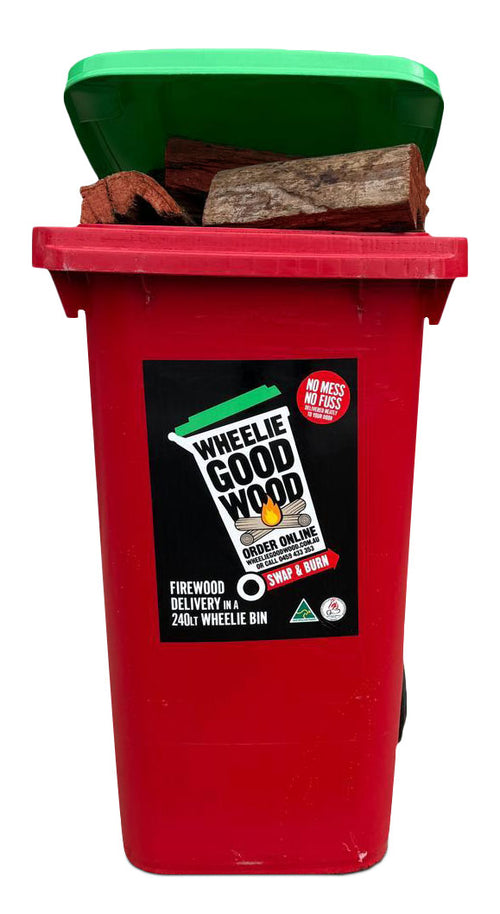
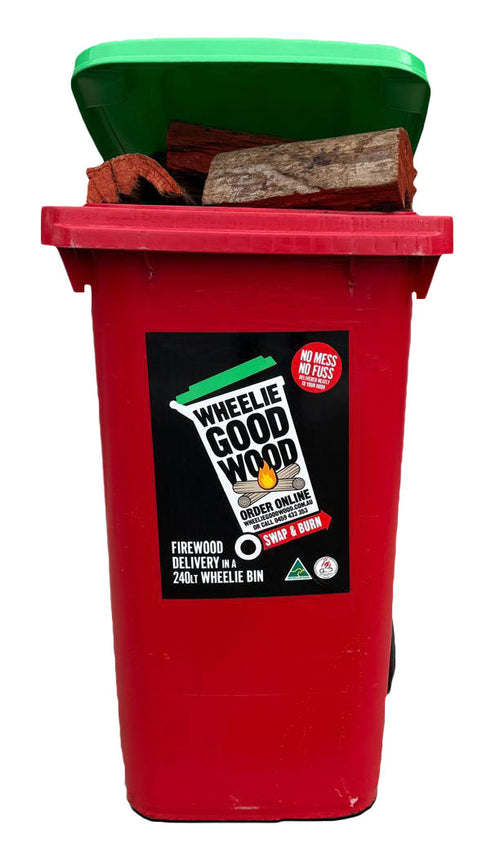
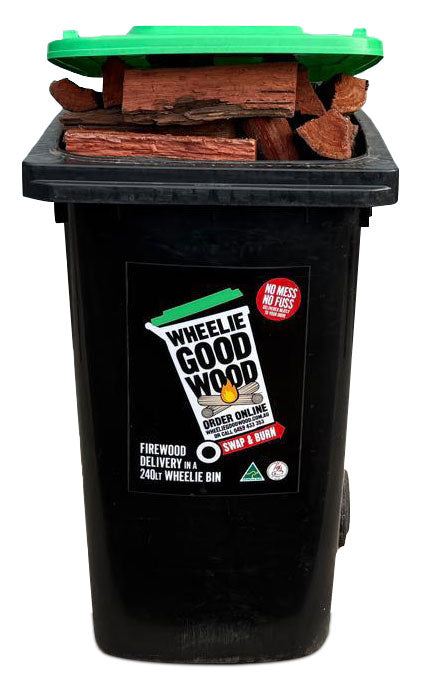
Both sizes arrive the same way: seasoned, dry, delivered in a reusable 240-litre wheelie bin, no stacking and no mess to clean up. Because the bin is reusable, there's no cardboard or plastic bags to deal with once you're done.
FAQ: Regular Split vs Double Split
Can I order both sizes at once?
Yes, they're separate products, each delivered in its own bin.
Is Double Split more expensive per bin?
Pricing varies by wood type and split, check current pricing on the product page for each.
Will Regular Split fit a smaller heater if that's all I have on hand?
It can, but it won't catch as quickly or sit as neatly in a small firebox, Double Split is the better match.
What size is Regular Split compared to Double Split?
Regular Split is roughly the size of a loaf of bread. Double Split is smaller, closer to the width of your wrist or a wine bottle. Both are cut to 30cm long.
Which split lights faster?
Double Split. Its smaller size means more surface area relative to its volume, so it catches fire faster than Regular Split, useful if you're starting a fire from cold.
Can I use Double Split in a pizza oven or chiminea?
Yes, Double Split is the better fit for compact heaters, chimineas and pizza ovens, where a smaller firebox needs a smaller piece to catch and burn evenly.
Does the split size affect how well the wood burns?
Less than seasoning does. Wood that hasn't been properly seasoned is harder to light and burns less efficiently regardless of split size. All our firewood, in both splits, is seasoned and dry before it's loaded into the bin.
Still unsure? Check the kW rating on your heater's front panel and use it as your guide, or run through the Firewood Finder on our residential page for a straight recommendation.